Road & track
Match the shoe to the miles you actually run
We talk in surface feel, toe room, and how a shoe rides after the fifth kilometer — the qualities that show up on your regular loop.
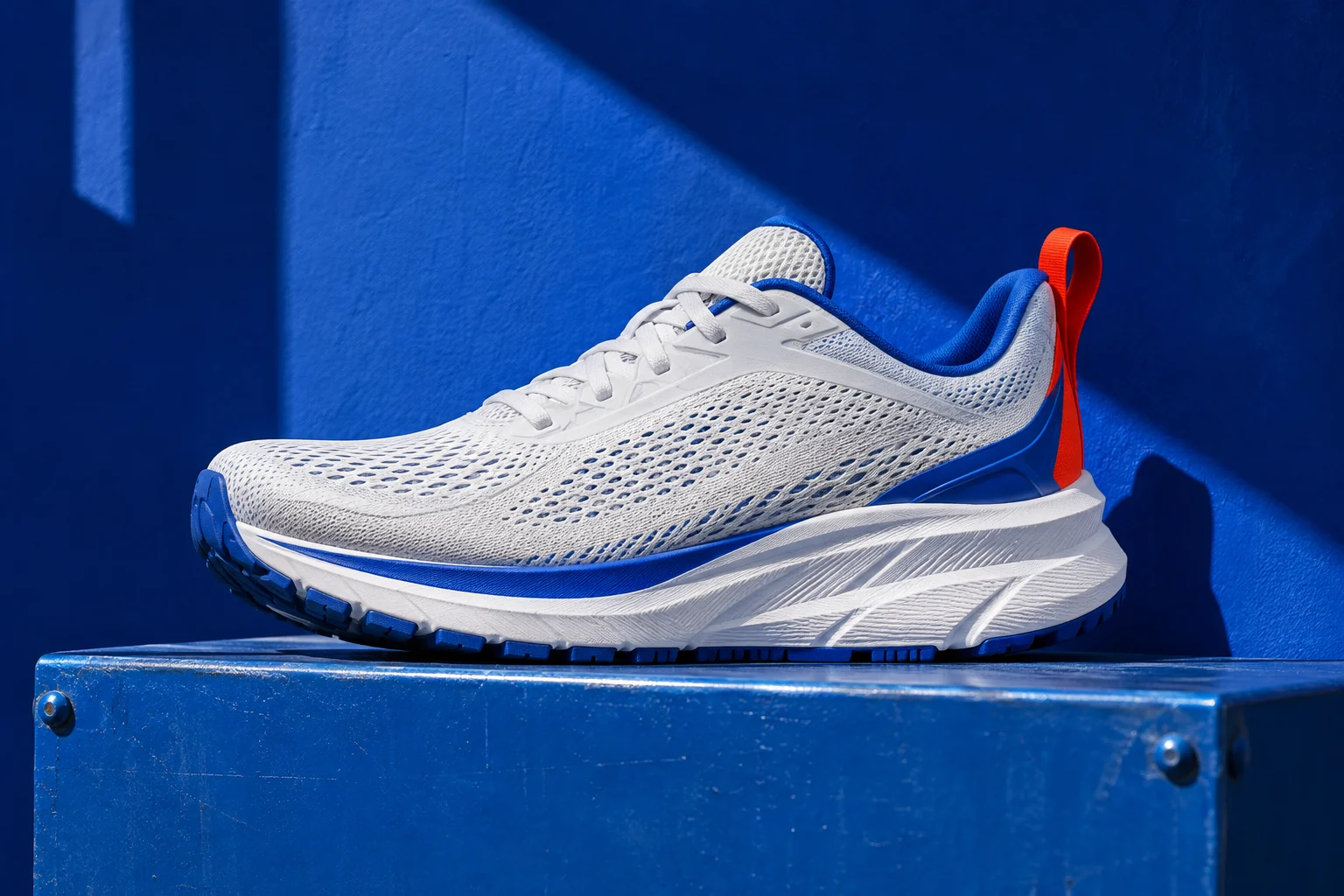
A stable daily trainer and a calm upper make repeat loops feel familiar — even when the route changes corner to corner.
Where to begin
Pick your lane
Everyday running, explained
Daily trainers earn trust on sidewalks, park paths, and the same loop you run twice a week before work.
Fit before flash
Length, forefoot width, and how the heel cup sits change whether you reach for the same pair after laundry day. A little room at the toes and a snug midfoot usually feel steadier on turns.
Lace habits matter
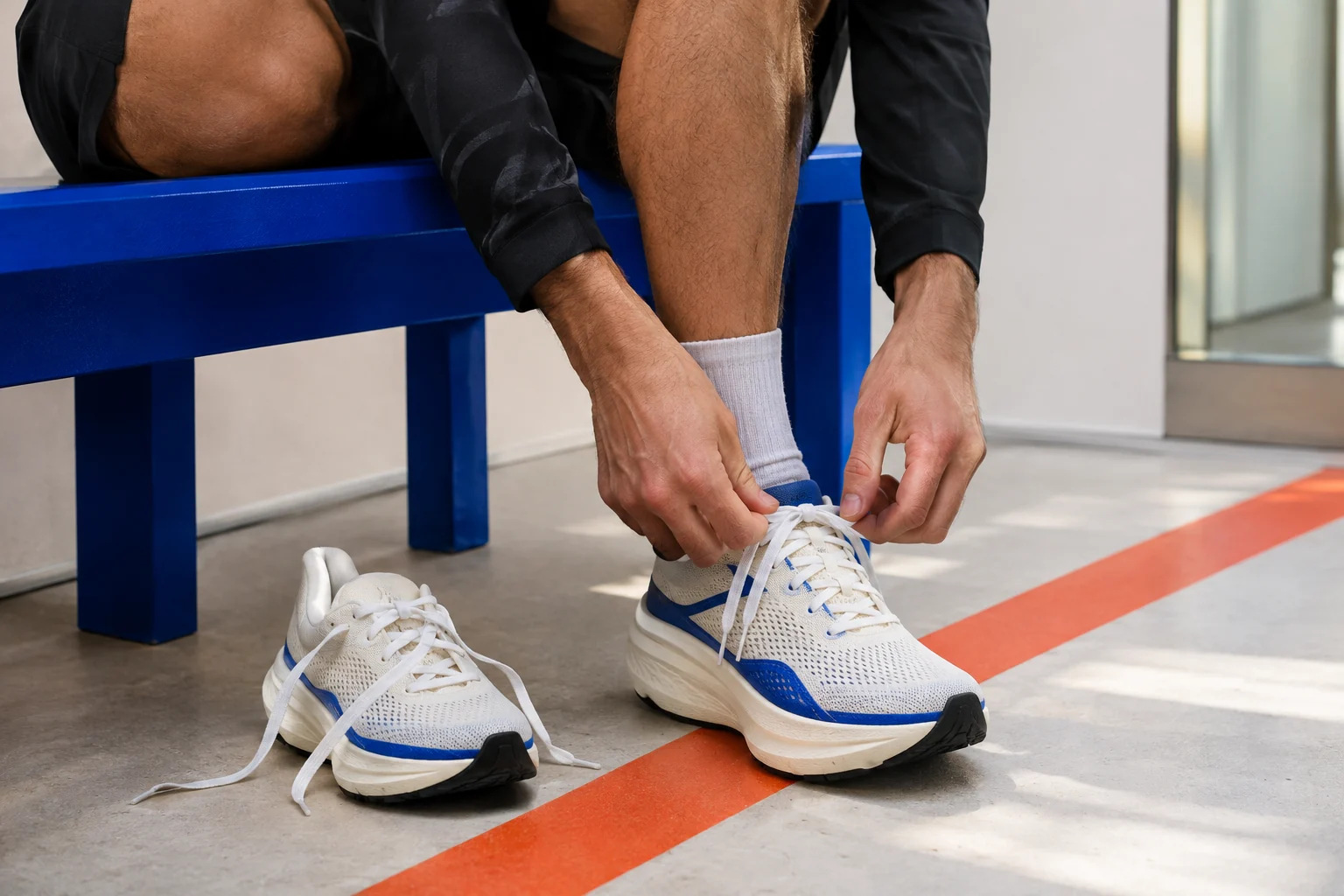
Even pressure across the instep keeps the foot from sliding on downhills. A quick lace check at the bench often tells you more than reaching for a stiffer plate.
Surface context
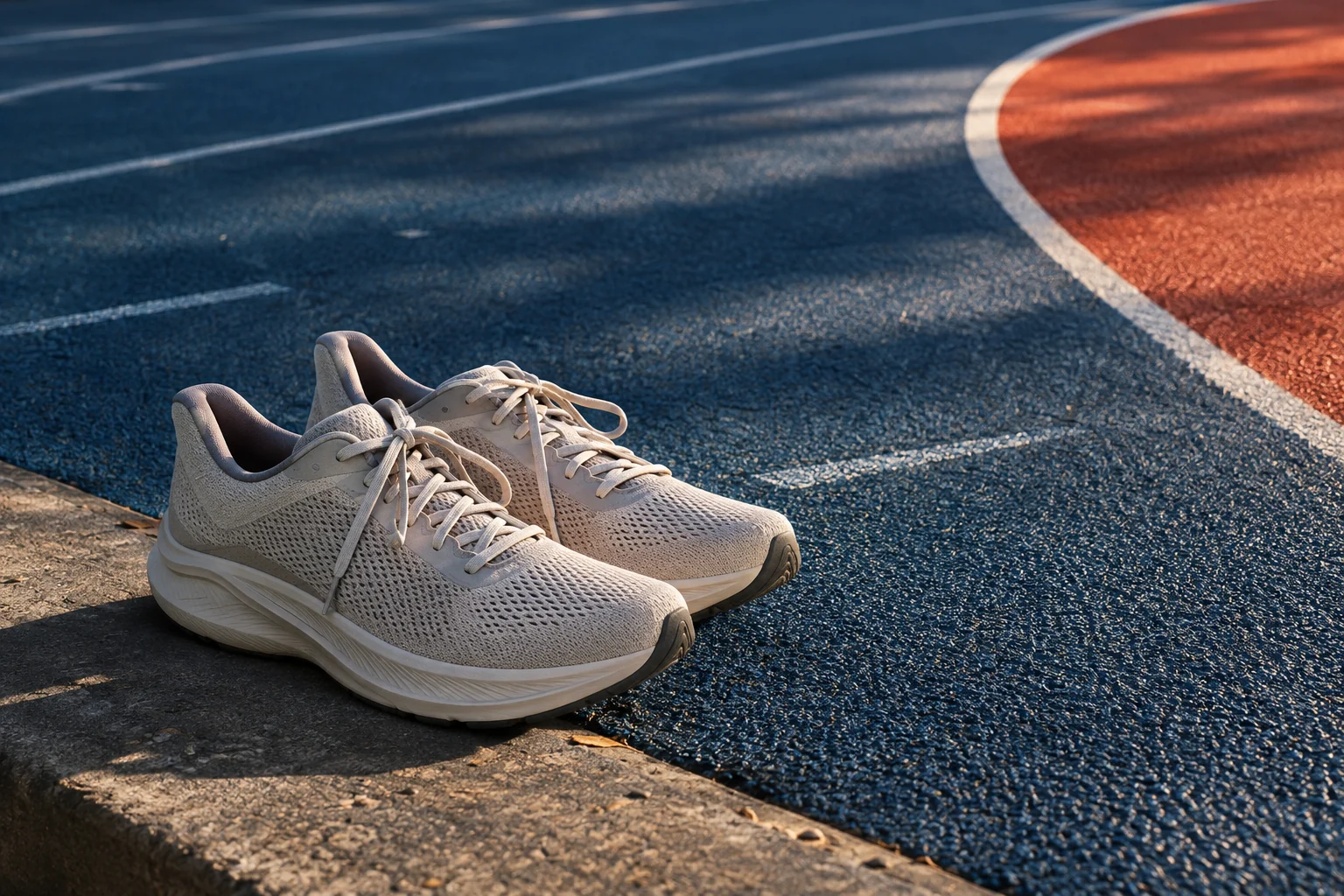
Shoes meet asphalt crowns, painted crosswalks, and the rubberized arc of a neighborhood track. Outsole pattern and foam density read those textures differently.
Route habits
- City blocks — Frequent corners reward a flexible forefoot and an upper that stays comfortable when you accelerate.
- Tartan loops — Tighter turning radii and consistent surface; some runners prefer a lighter package here.
- Connector paths — Packed gravel and occasional mud reward a bit more outsole texture while staying light enough for pavement connectors.